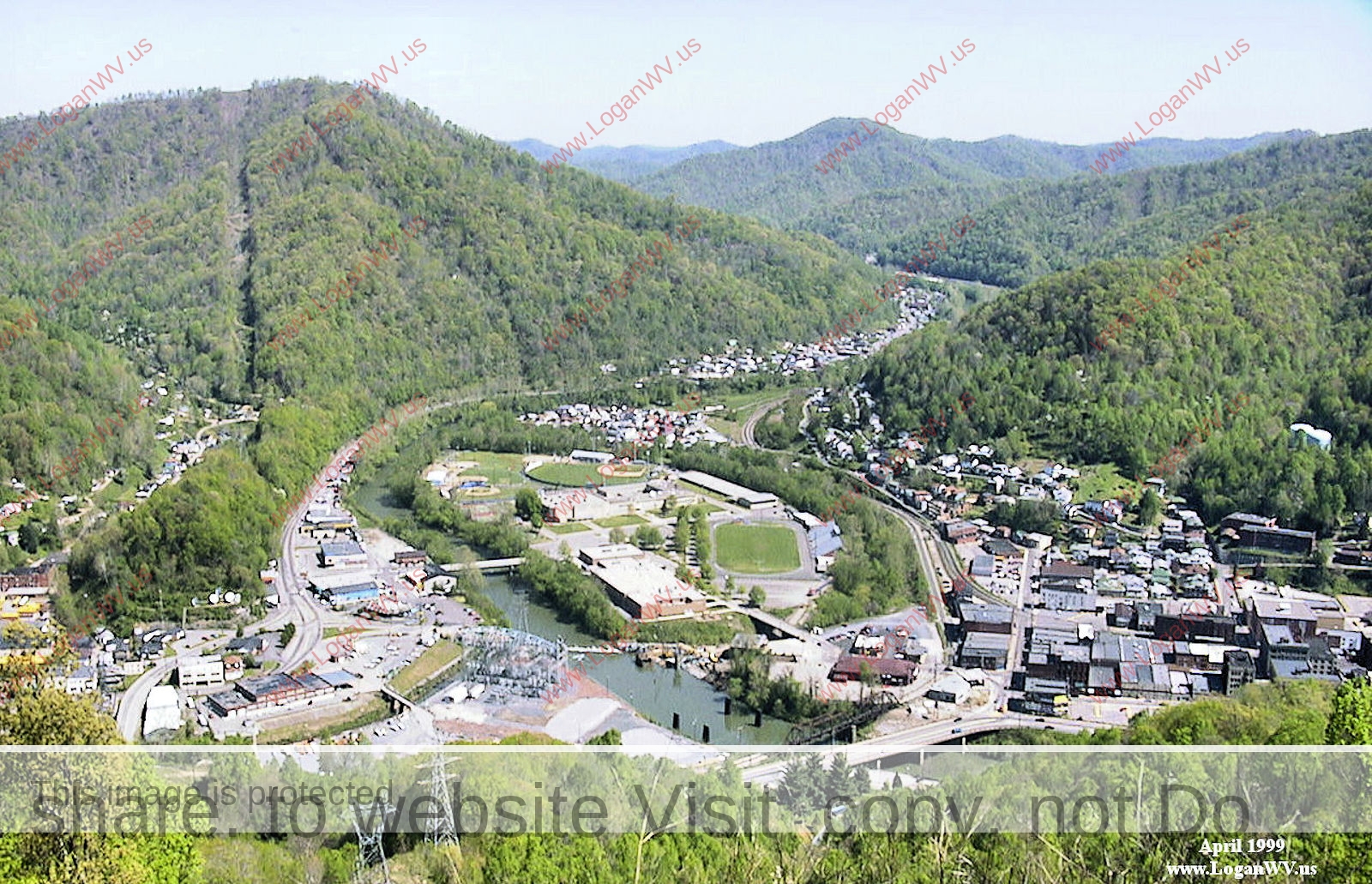
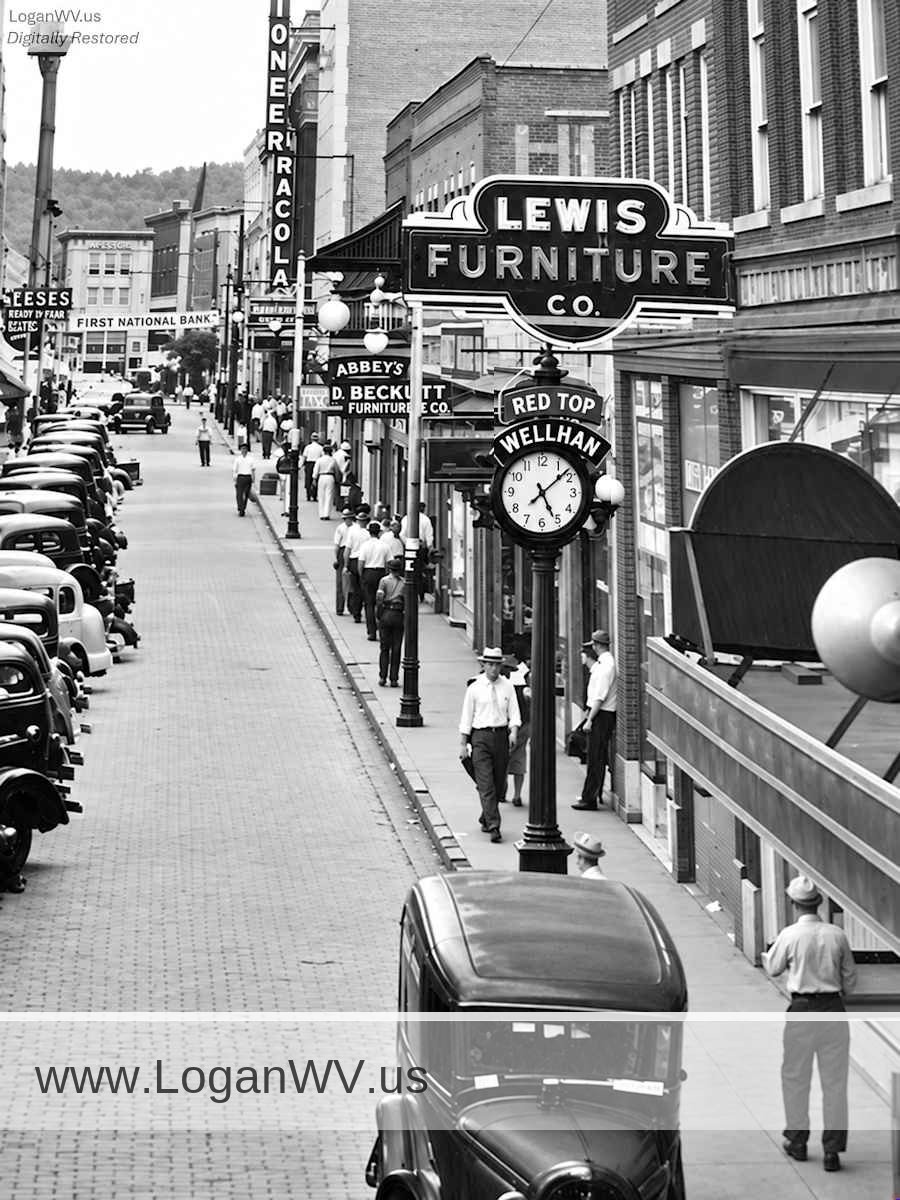
 Logan, WV, April 1999, from the top of Buskirk Hill.
Recent Additions as of Oct. 24, 2026.
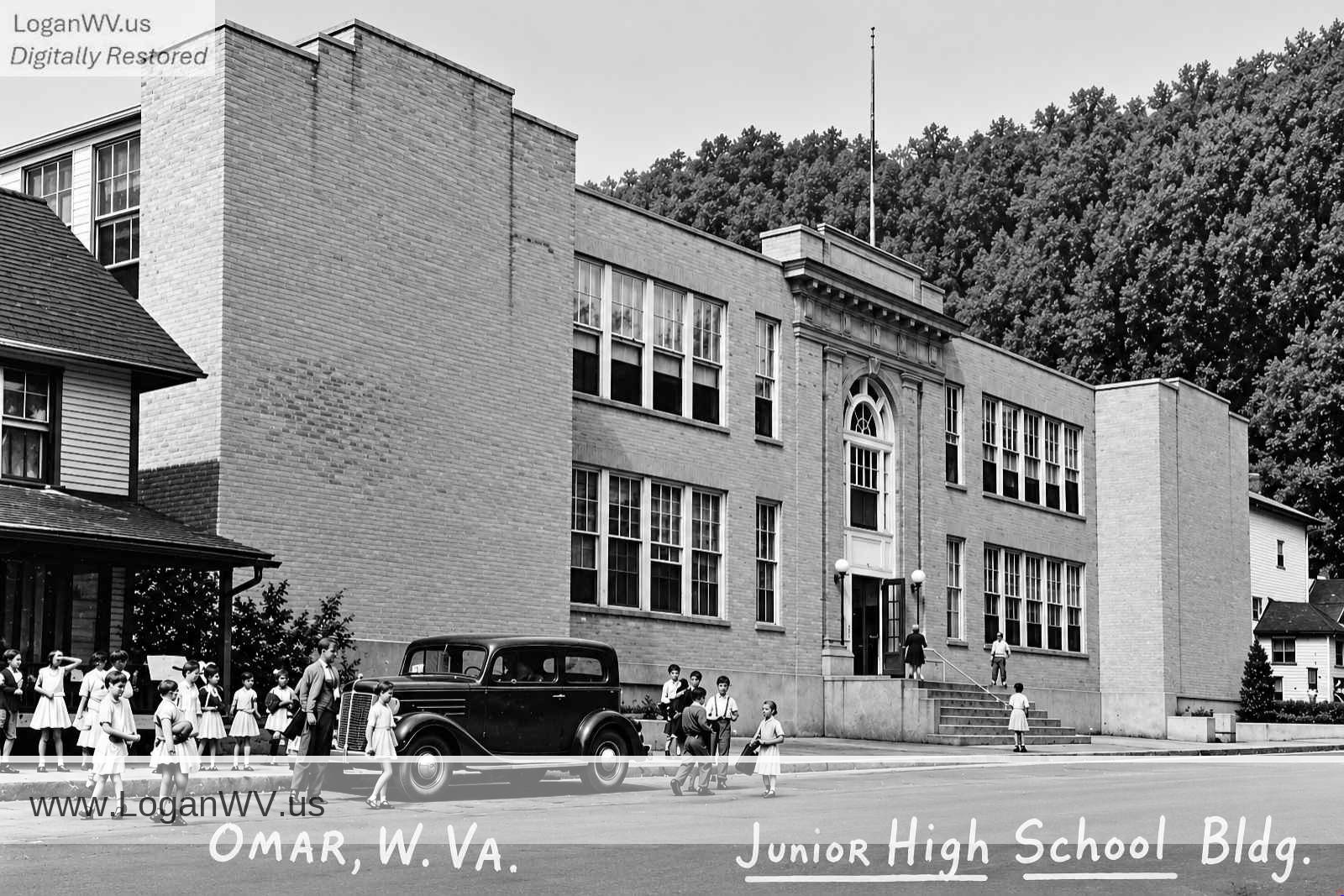
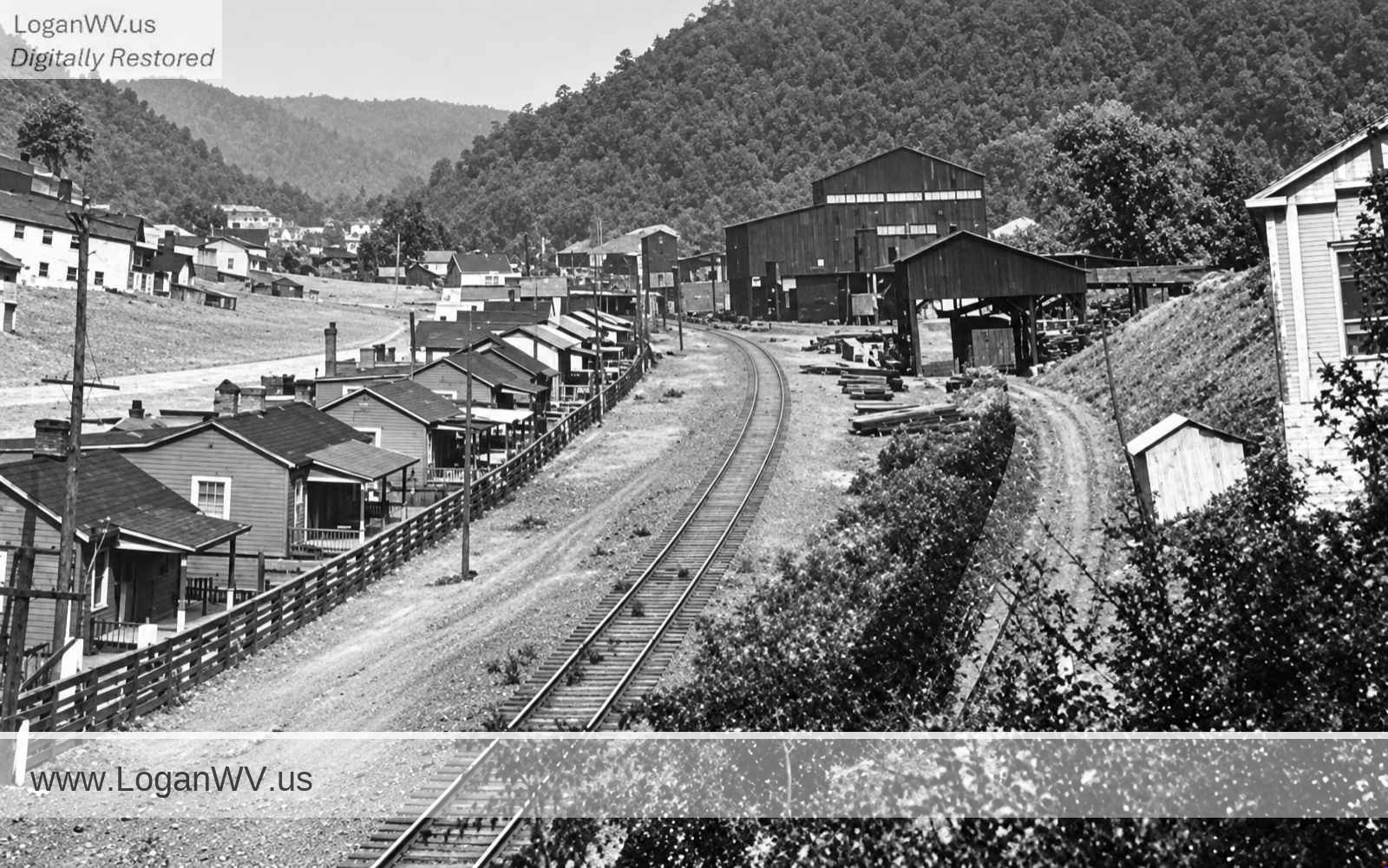
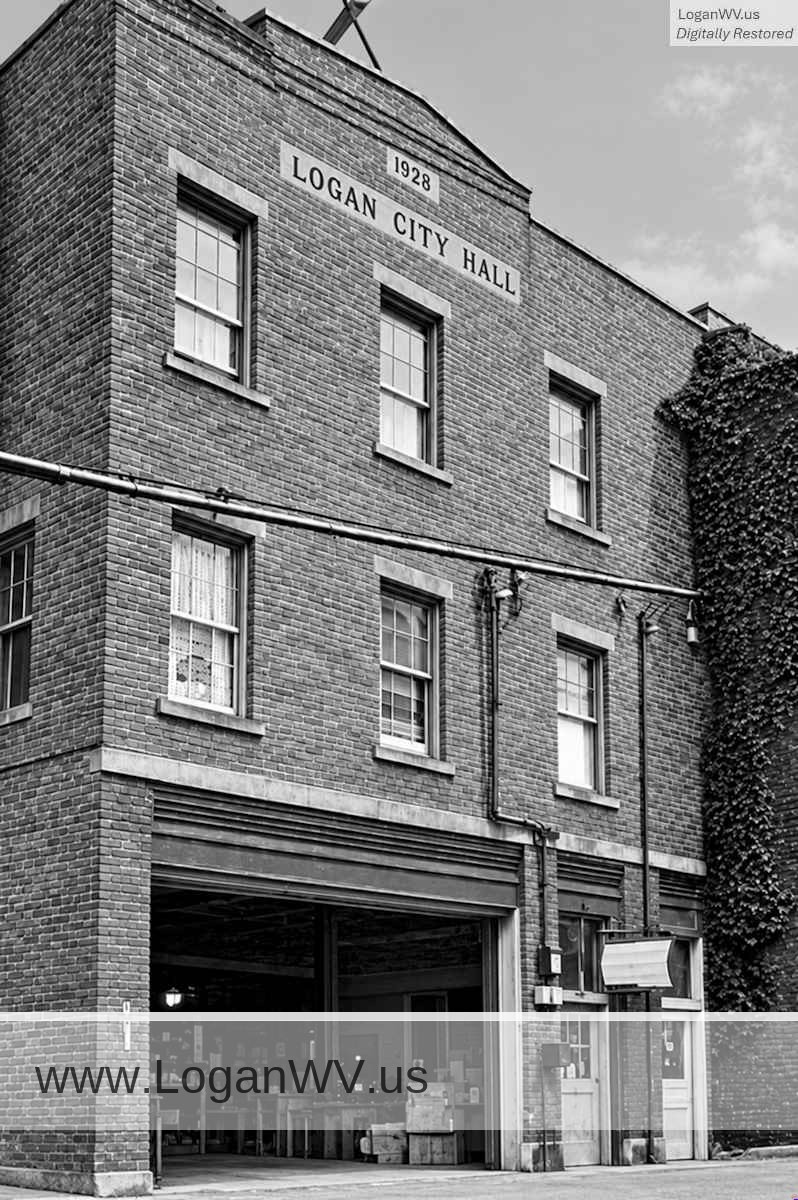
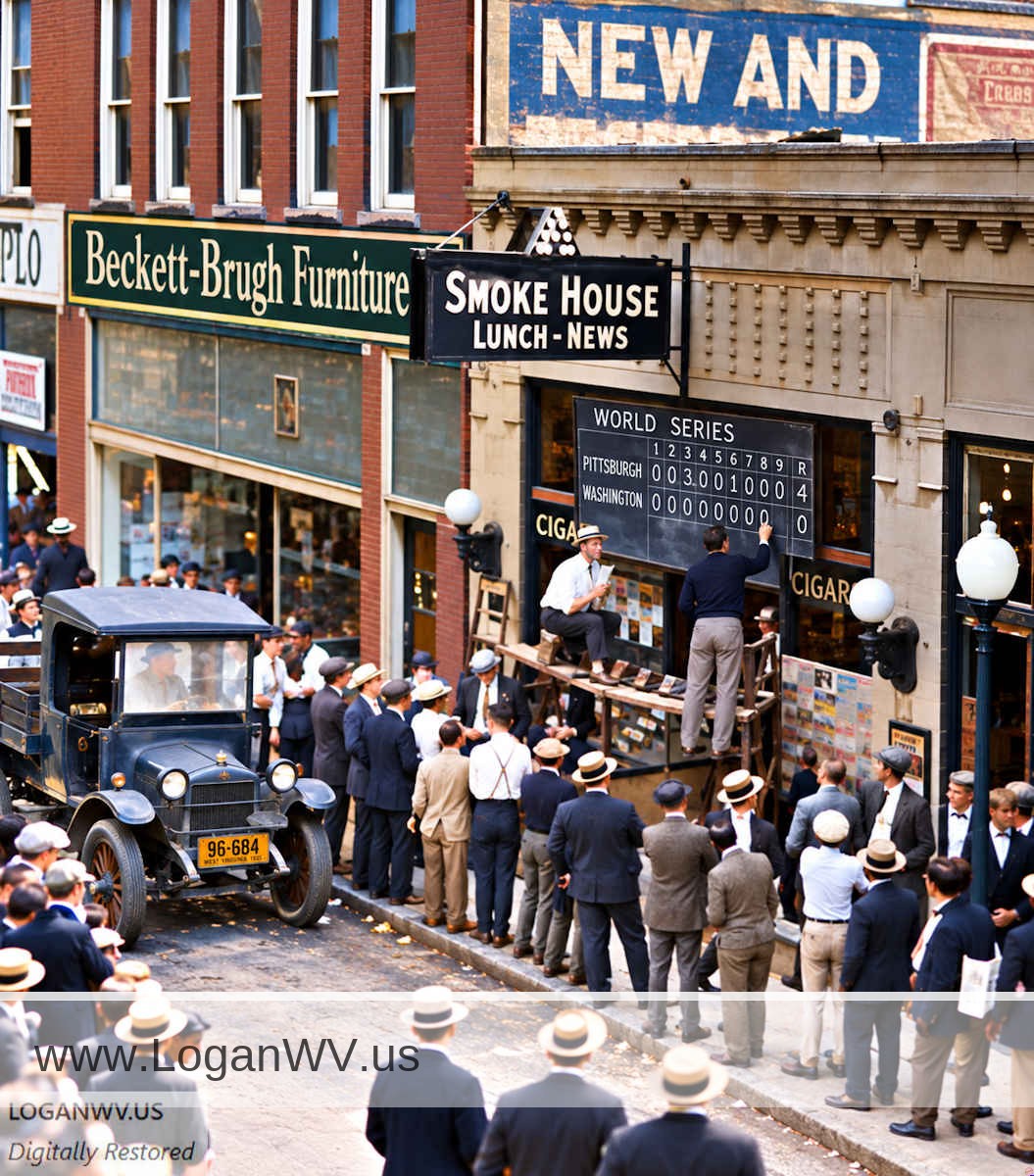
See more Logan County Photos over 8,400 and counting.
This website was created in February 2010 to preserve and share the rich history of Logan County, West Virginia.
Explore our historical articles and photo galleries to learn about the people, places, and events that shaped Logan County’s legacy.
Established on May 7, 1824, Logan County was named in honor of the famous Mingo Indian leader, Chief Logan.
The county seat began as the village of Lawsonville in 1827. The name came from Anthony Lawson, who established a trading post in the area. Over time, the name was shortened to Lawnsville. It was later incorporated in 1852 as Aracoma, with Thomas Dunn English — author of the poem Ben Bolt — serving as its first mayor.
In 1907, the town was officially renamed Logan.
The legendary Hatfield-McCoy Feud patriarch of the Hatfield clan, William Anderson “Devil Anse” Hatfield, lived and is buried here.
Logan County played a central role in significant historical events such as the West Virginia Mine Wars and the Battle of Blair Mountain, one of the largest labor uprisings in U.S. history.
In 1955, Logan was the leading coal-producing county in the United States.