The Queen of Clawhammer: How “Aunt Jennie” Wilson Kept Appalachian History Alive
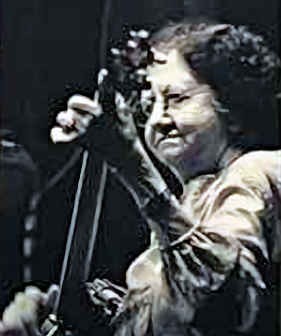
Appalachian traditional music is defined by resilience, and few figures embody that spirit quite like Virginia Myrtle Ellis “Aunt Jennie” Wilson. Born in 1900 in Logan County, West Virginia, Aunt Jennie became one of the most celebrated master musicians of the old-time style. Her legendary grit and sharp wit preserved a vital piece of American folklore.
Here is the story of how an ordinary coal miner’s wife overcame deep personal tragedy to become a symbol of West Virginia’s rich musical heritage.
Born to the Sound of the Banjo
Aunt Jennie Wilson was a musical prodigy from a young age. Born near Henlawson on February 9, 1900, she was exposed to traditional string music at a time when remote mountain hollows preserved centuries-old traditional songs.
- The Inspiration: At just nine years old, she met Delpha Maynard, a local musician who taught her the fundamentals of clawhammer banjo.
- The Technique: Her older brothers, Jesse and Hughie, helped her master the intricate “double-thumb” style.
- The Repertoire: Jennie didn’t just play instruments; she possessed a massive mental archive of ancient British Child ballads, American historical tunes, and songs derived from Black traditions. She gathered these from passing musicians who stopped by her family’s farmhouse.
Surviving the Hardships of the Coal Mines
Life in the southern West Virginia coalfields was filled with adversity. In 1918, Jennie married a local miner named James Wilson. Tragically, her life changed forever in 1939 when her husband was killed by a sudden slate fall in the mines.
Widowed at a young age with a family to provide for, Jennie did whatever it took to keep her children fed:
- She raised a massive garden and preserved her own canned goods.
- She took in labor-intensive washing and cleaned houses for others.
- At times, her daughter even had to drop out of high school to take up housework for hire to assist the family.
Reflecting on those grueling days, Aunt Jennie later recalled:
“I have washed clothes on a scrub board ’til the skin would be off my knuckles. Yes, sir. You carry the water, boil it, and then you take and you wash ’em through two waters, and then you put ’em in and boil ’em, and then take ’em out of there and put ’em in your rinse water and rinse ’em through two waters.”
Despite the immense struggle, she instilled an unshakeable sense of dignity in her children:
“I’d always teach the kids, I’d say, ‘Listen children, you have had everything any other miner’s children can have, but you can’t have that now. But always hold your head high and just say I’m no better than nobody, but I’m as good as anybody.’ That’s the way to be.”
Discovered at Age 58: A Regional Icon Emerges
For decades, Aunt Jennie’s exceptional musical talents were only known within Logan County. However, in 1958, West Virginia University folklorist Patrick Gainer “discovered” her while collecting regional folklore.
At age 58, Aunt Jennie embarked on a brand-new chapter of her life:
- The Festival Circuit: She quickly became a favorite performer at folk festivals across the eastern United States, celebrated for her vibrant storytelling and sharp wit.
- Historical Preservation: She recorded an array of traditional songs for the Library of Congress and released albums, including A Portrait of Aunt Jennie Wilson, produced by renowned West Virginia songwriter Billy Edd Wheeler.
- The Ultimate Honor: In 1984, she received the Vandalia Award. This award is the state of West Virginia’s highest folk-life honor, recognizing a lifetime of dedication to preserving mountain culture.
Aunt Jennie famously lived by the philosophy: “Don’t take more on your head than you can kick off your heels.” For her, it was a reminder to enjoy life to its absolute fullest and let music chase away hardship. She continued picking her banjo right up until her death on March 2, 1992, at the age of 92.
Sources & Historical Attributions
If you are looking to learn more about Aunt Jennie Wilson’s legacy or listen to archival recordings, explore these primary sources:
- A 1979 YouTube interview by her grandson
- Historical Text & Quotes: Adapted from official museum plaque displays and archival files maintained by the West Virginia Department of Arts, Culture and History.
- Biographical Profiles: Learn more about her life story via the e-WV: The West Virginia Encyclopedia Project.
- Archival Audio: You can stream authentic field recordings of her music directly via the West Virginia State Archives Music Channel on YouTube.
*Created with the help of Google AI.
Great story. Hopefully more people will read it.
I was honored to have her as a Sunday school teacher when I was young. We attended church at Crooked Creek Church of Christ in Logan, WV.