Revised June 2, 2026
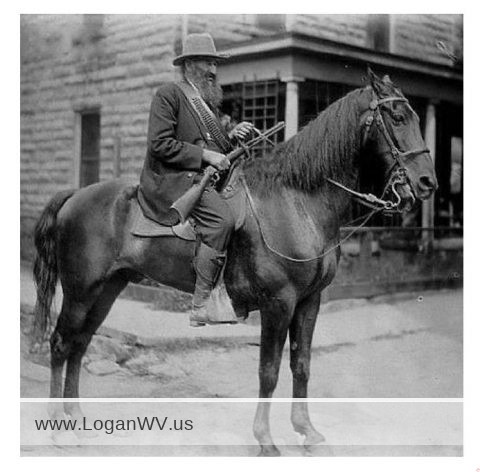
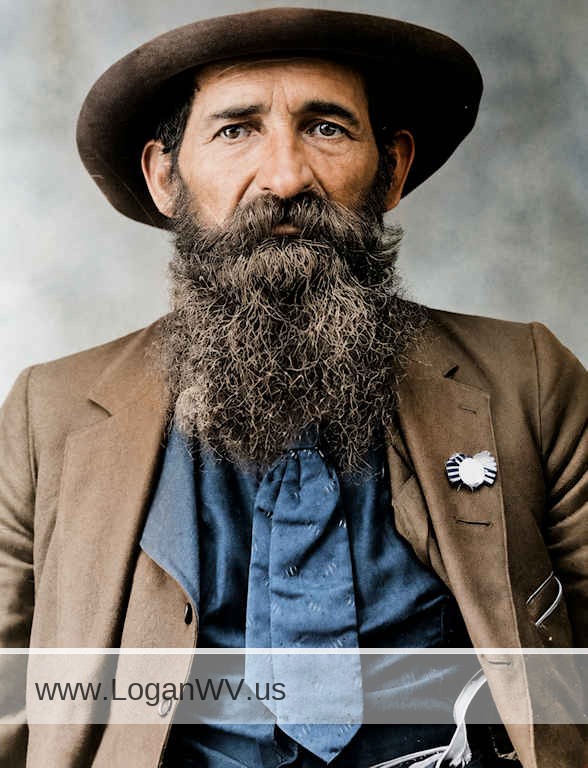
William Anderson Hatfield—better known as “Devil Anse” Hatfield—was one of the most formidable and controversial figures in Appalachian history. As the patriarch of the Hatfield family during the infamous Hatfield–McCoy feud, he became a symbol of frontier justice, loyalty, and violence along the rugged borderlands of West Virginia and Kentucky.
Early Life and Background
Born on September 9, 1839, in what is now Logan County, Hatfield grew up in the isolated hills of Appalachia, where family ties and self-reliance shaped daily life. His parents, Ephraim and Nancy Hatfield, raised a large family in a region where disputes were often settled personally rather than through formal law.
The nickname “Devil Anse” likely came from his fierce temperament and imposing presence. Standing over six feet tall with a powerful build, he commanded respect—and fear—throughout the Tug Fork valley.
Civil War and Rise to Power
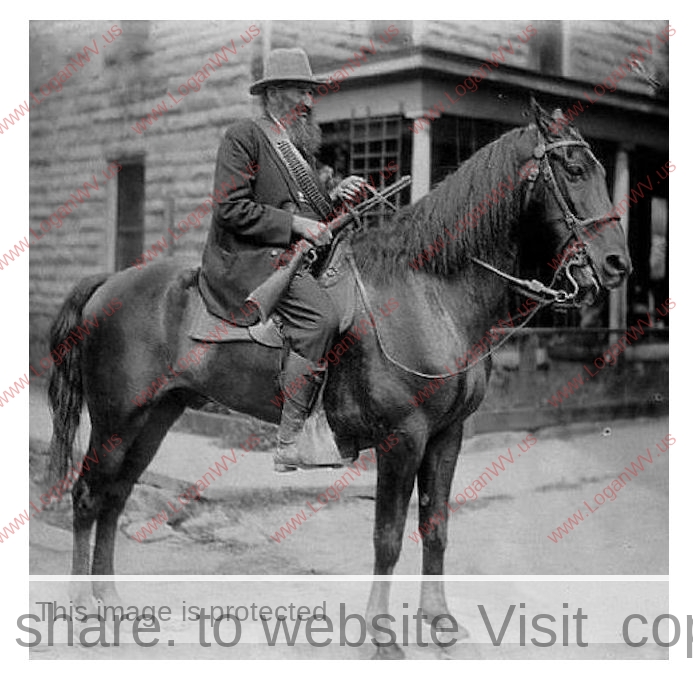
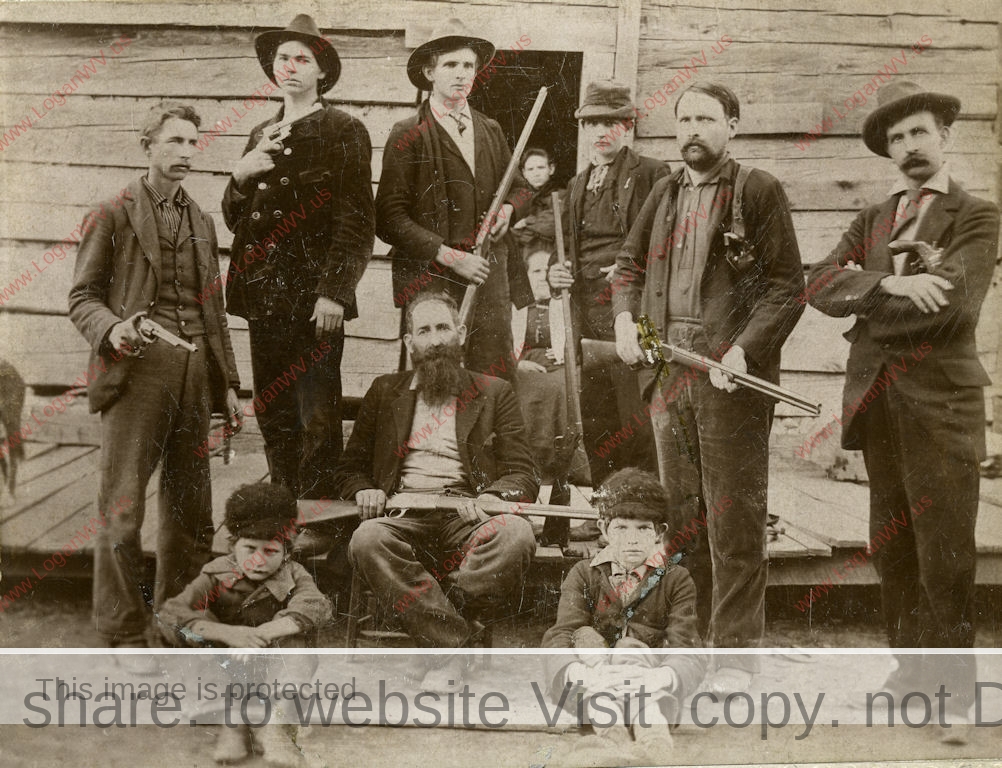
During the American Civil War, Hatfield sided with the Confederacy. He led a local guerrilla unit known as the Logan Wildcats, conducting raids and skirmishes in the mountainous terrain. Unlike many soldiers, Hatfield did not formally enlist but became a respected—and feared—leader in irregular warfare.
“It was Aug. 6th, 1862, during the Civil War, that the Logan County Battle of Beech Creek took place, which is also known as the Battle of Devil’s Backbone. It’s said that during the violent skirmish, William Anderson “Devil Anse” Hatfield single-handedly held off a troop of eastern Kentucky Union soldiers. Anse, the sole rifleman, made it appear that many were firing down on the Union raiders from that rocky ridge. It is not known whether Devil Anse lent his name to the ridge or took his nick-name “Devil” from this episode.” — Coleman A. Hatfield, grandson of Devil Anse Hatfield.
After the war, Hatfield built a successful timber business, gaining wealth and influence. His growing economic power helped solidify his authority in the region, where he often acted as a de facto leader.
The Hatfield–McCoy Feud
The feud between the Hatfields of West Virginia and the McCoys of Kentucky remains one of the most famous family conflicts in American history. Opposing Hatfield was Randall McCoy, the leader of the McCoy clan.
The conflict escalated in the 1870s and 1880s, fueled by accusations of theft, personal grudges, and a controversial romance between Hatfield’s son, Johnse Hatfield, and McCoy’s daughter, Roseanna McCoy.
Feuding became a family tradition as portrayed in a verse from the ballad ‘Jim Hatfield‘s Son’:
To never fail the Hatfield clan,
For he was born to fight;
To never be afraid to die,
And shoot McCoys on sight.”
Violence intensified after several key events:
- The killing of the McCoy family members.
- The New Year’s Night attack (1888) on the McCoy cabin.
- A cycle of retaliatory killings that drew national attention.
Though Devil Anse did not personally carry out every violent act, he was widely seen as the strategic leader of the Hatfields during the feud.
Arrests and Legal Aftermath
As the violence escalated, authorities intervened. Several Hatfield family members were arrested and tried in Kentucky. One of the most notable outcomes was the execution of Ellison “Cottontop” Mounts, a Hatfield ally.
Devil Anse himself avoided long-term imprisonment, in part due to legal complexities involving state boundaries and jurisdiction.
Later Life and Conversion
In a surprising turn, Hatfield experienced a religious conversion later in life. In 1911, he was baptized into the Christian faith by Rev. W. D. “Uncle Dyke” Garrett, who remarked, “Today, I baptized the devil”. William Anderson Hatfield reportedly became a more reflective and peaceful man in his final years.
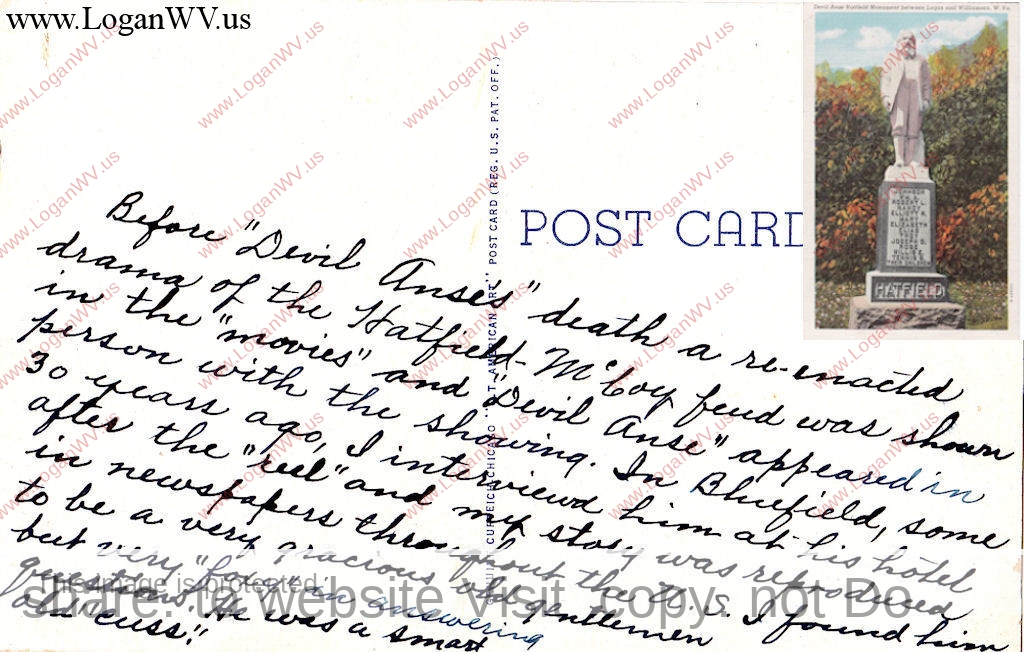
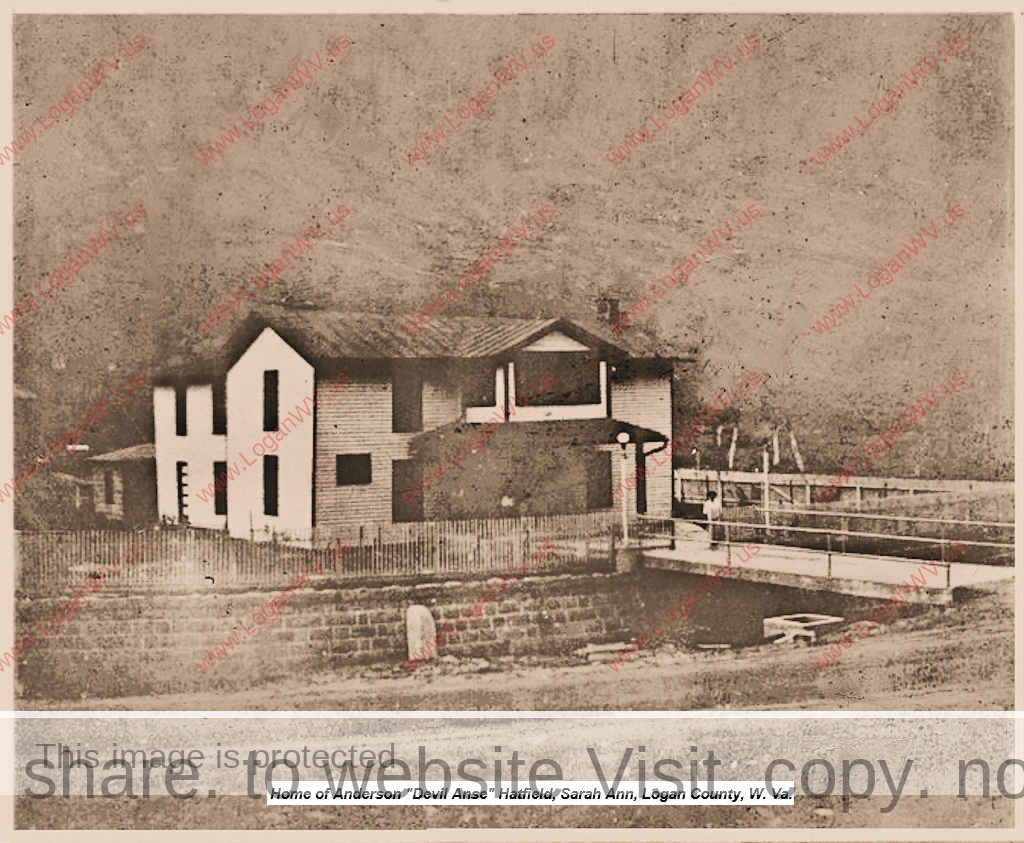
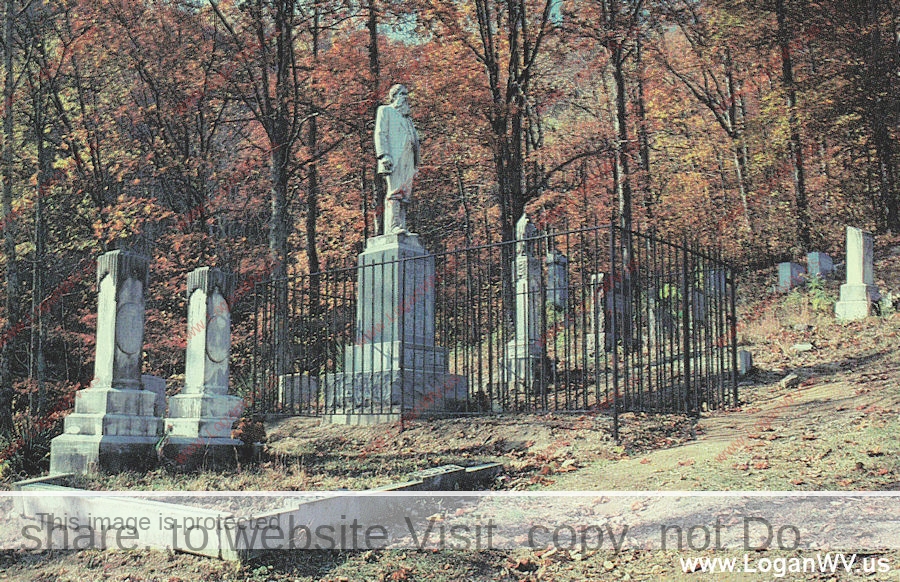
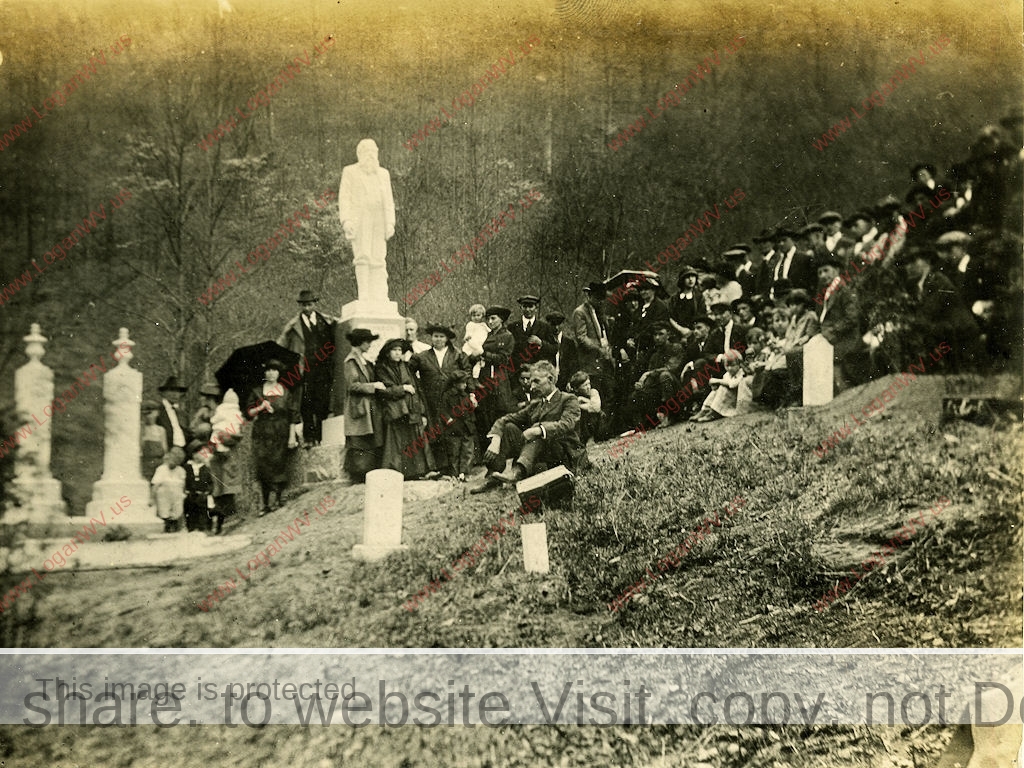
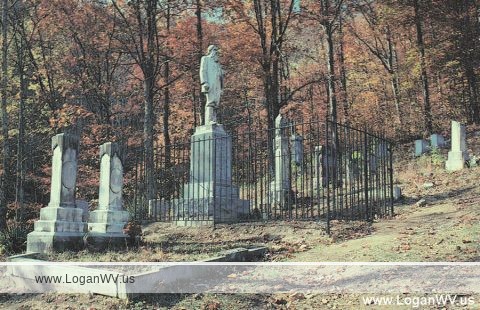
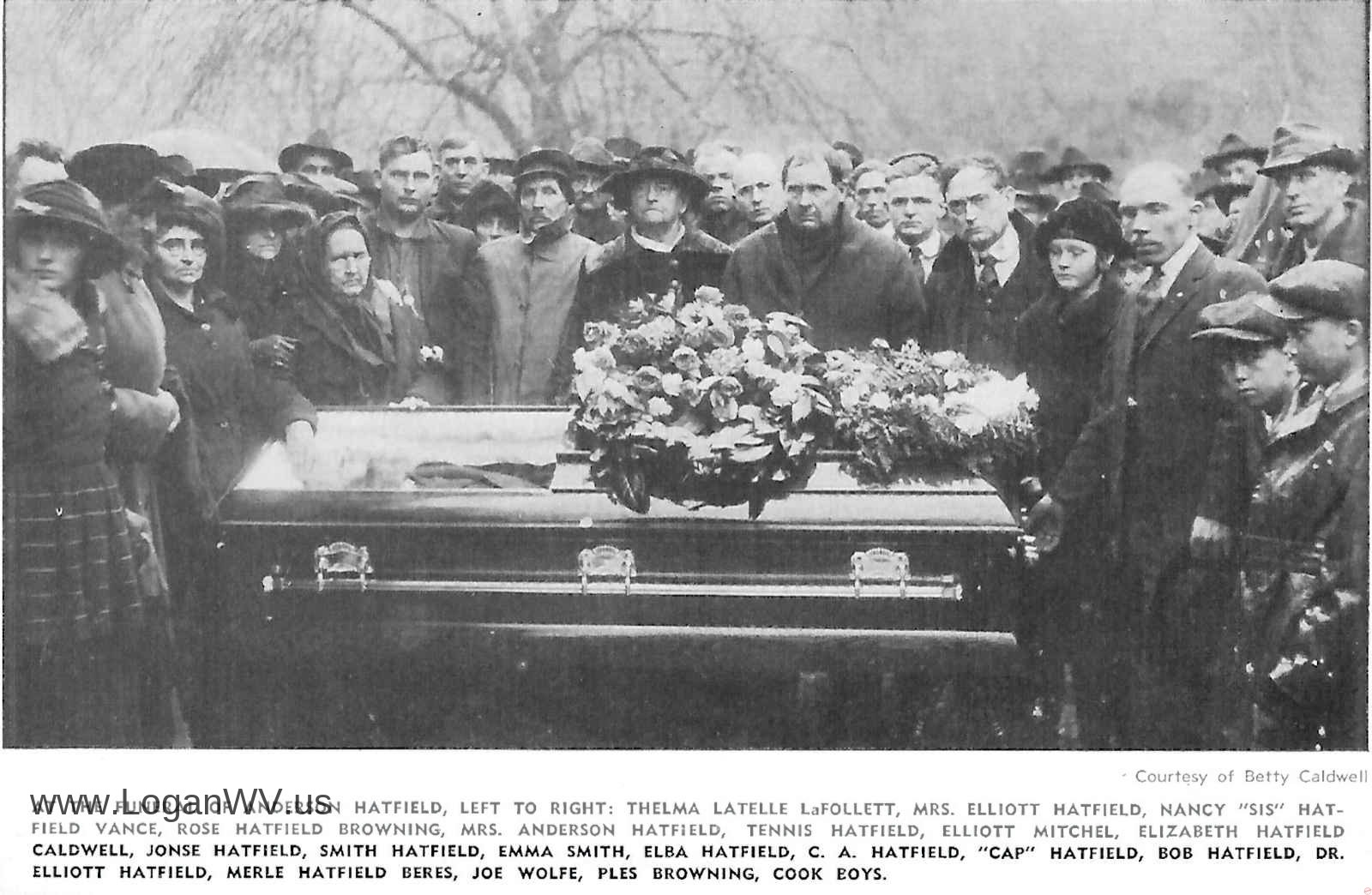
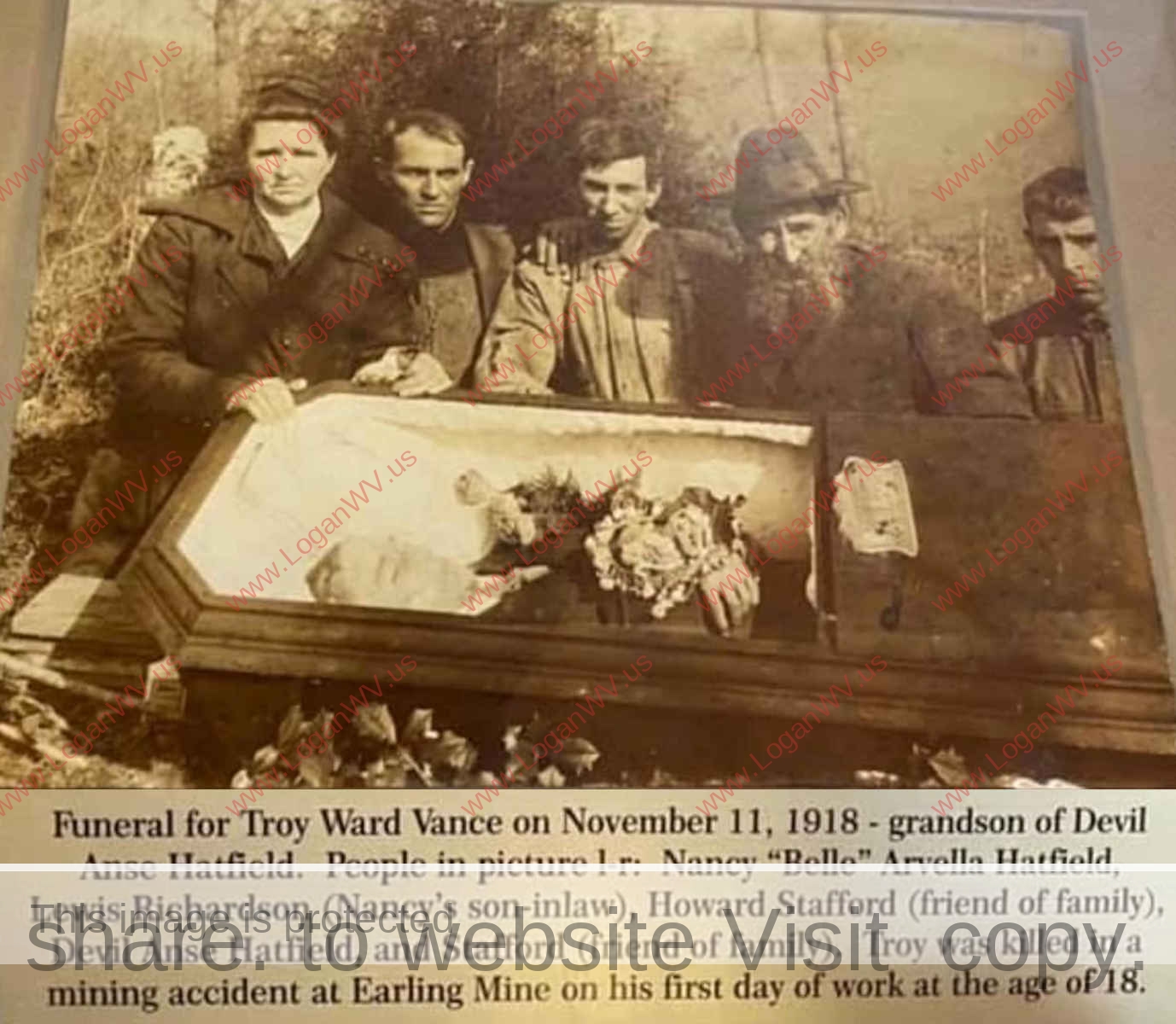
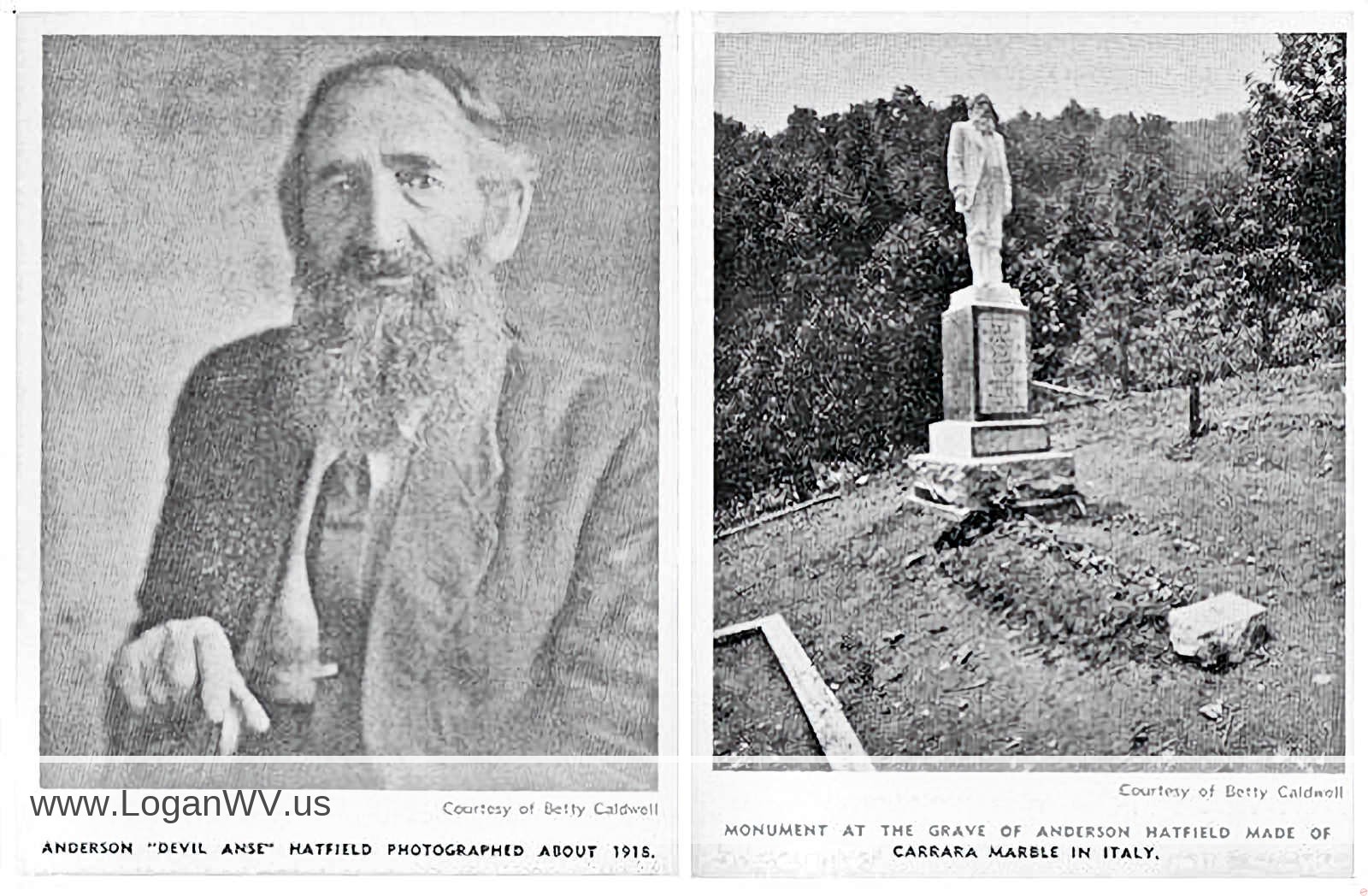
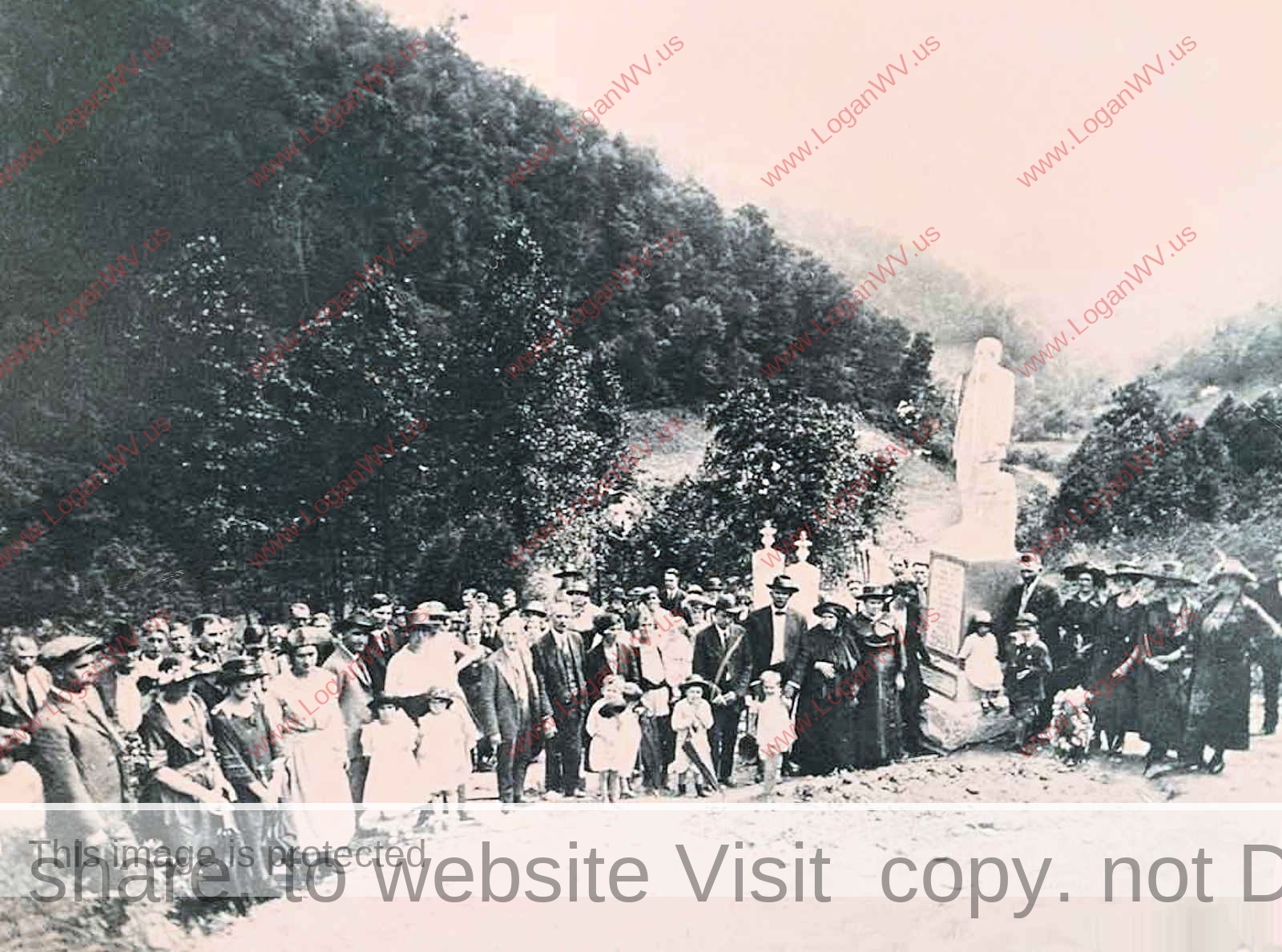
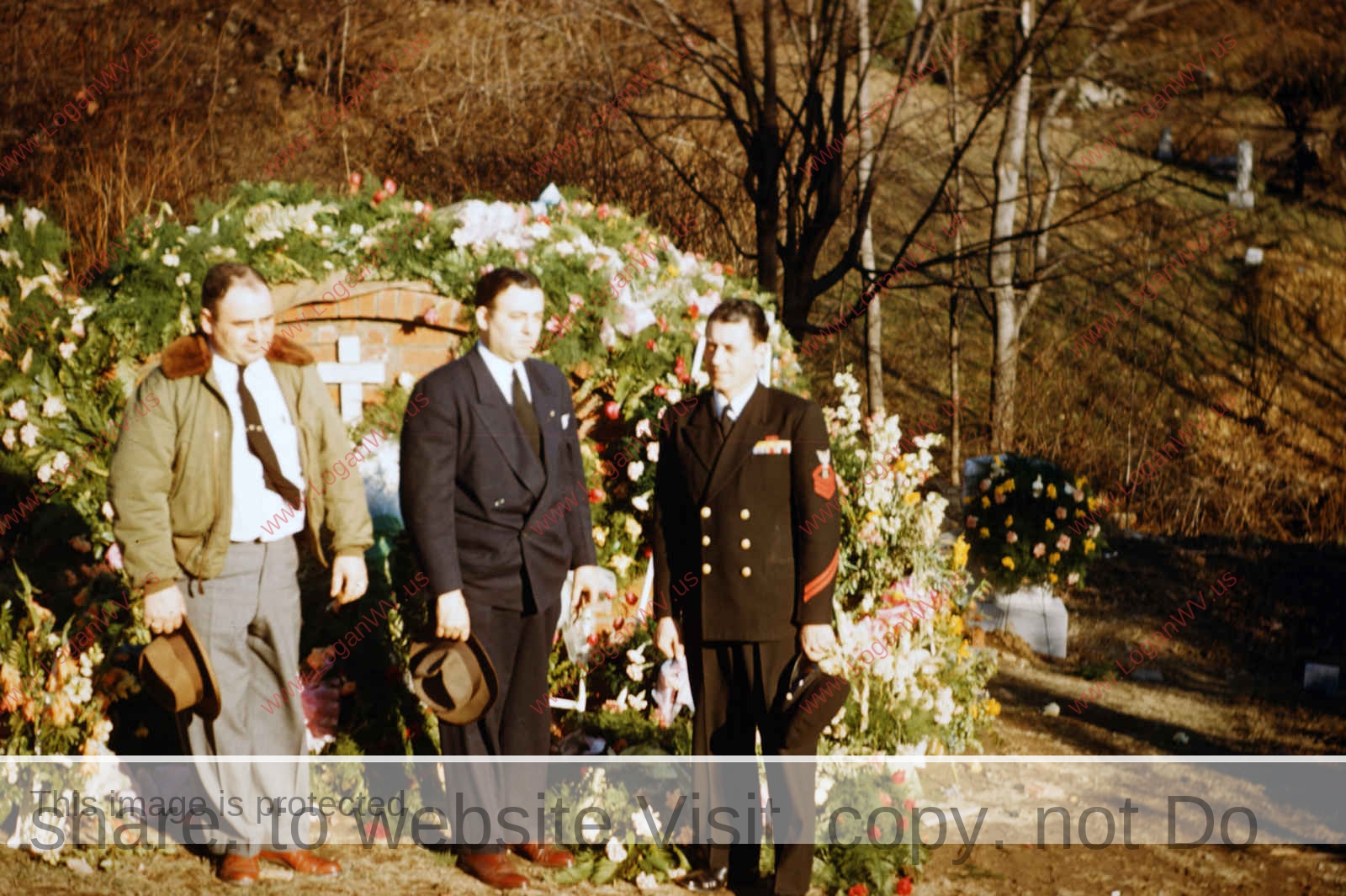
He died of pneumonia at 81 on January 6, 1921, at his home on Island Creek in Logan County. More than 5,000 people attended his funeral. He is buried in the Hatfield family cemetery near Sarah Ann, West Virginia. His grave, marked by a life-sized marble statue, remains a historical landmark. The statue of “Devil” Anse Hatfield was made in Italy from photographs sent by his children – he had thirteen! The tombstones on the left of the Devil Anse Monument are for the two sons, Elias and Troy, who were killed on the same day, October 17, 1911, during a business dispute with an Italian liquor distributor named Octtavio Jerome.
Legacy
Devil Anse Hatfield’s legacy is deeply intertwined with Appalachian folklore. To some, he represents lawlessness and vengeance; to others, he embodies leadership, loyalty, and survival in a harsh frontier environment.
The Hatfield–McCoy feud has inspired books, films, and television series, becoming a lasting part of American cultural history. Today, the story continues to attract visitors to the Tug Fork region, where the echoes of this legendary conflict still linger.
*This article was created with the help of ChatGPT.
You may also like:
- Hatfield Pioneers
- 1930 Article – The Fighting Hatfields and McCoys (pdf)
- The Story of the Border War in Logan County- Wheeling Register, 17 Jan 1888
Hatfield Photo Gallery
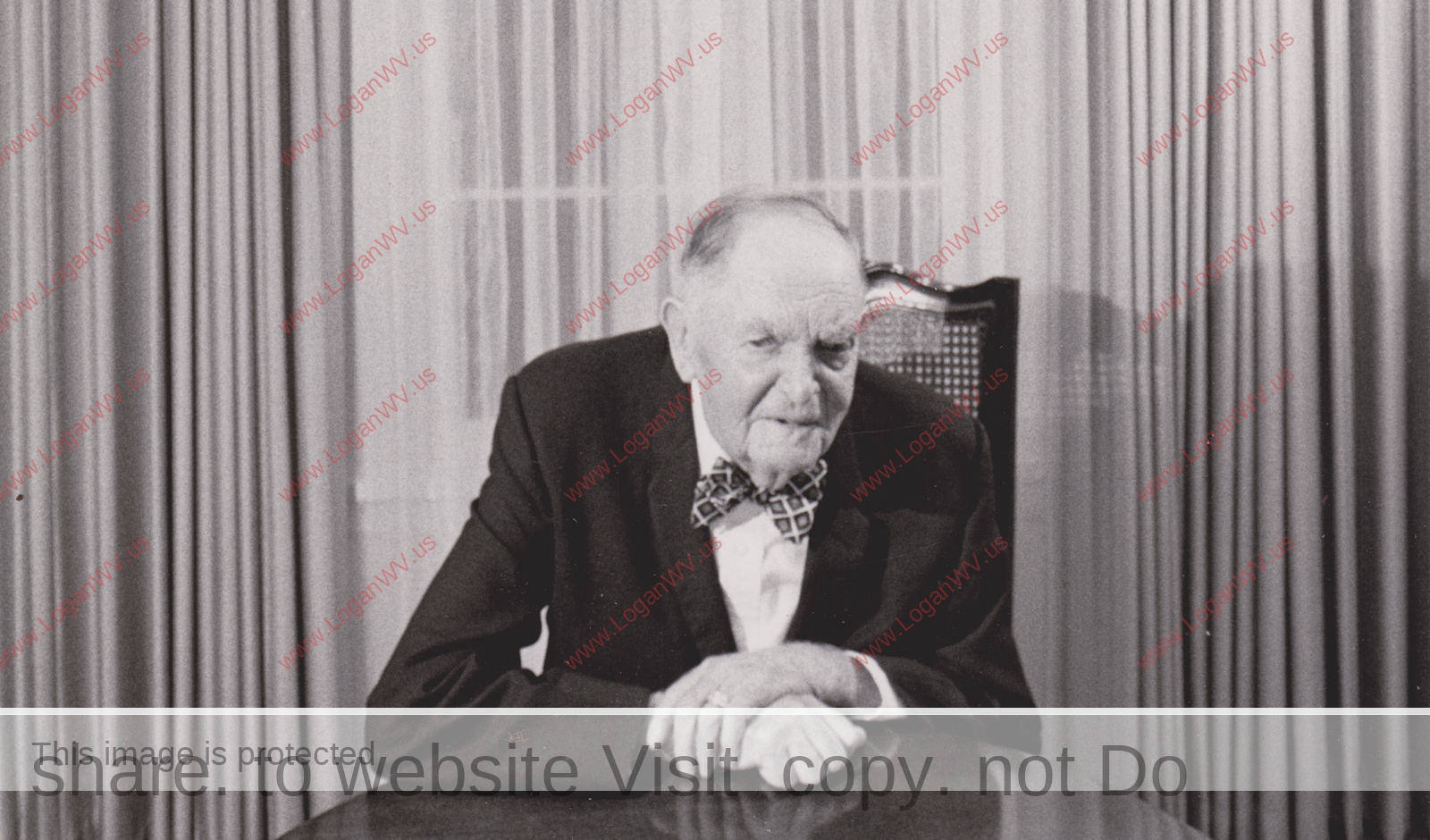
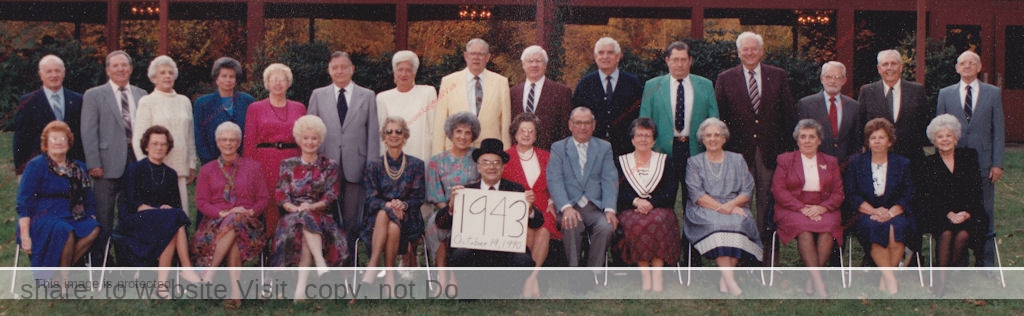
Front Row: Nora Kuhn Warren, Nell Kuhn Schrader, Betty Coberly Howerton, Joan Scaggs Means, Irma Nemeth Francis, Mary Ann Mitchell Silvestrucci, Coleman Hatfield (with sign), Gladys Meadows Schumaker, Phil Zeto, Henrietta Cary Parks, Elean Grinko Lilly, Mildred Mays, Helen Stepp, and Lita Mounts Dorman. Standing: Mack Jeffrey, Russell Coster, Auline Golice Barker, Joan Dial Jeffries, Myna Lou Jimison Gardner, Charles Vance, Eleanor Winter Cunningham, Pete Ellis, Joe Markham, Richard Cole, Jim Sizemore, Bill Wagner, Jack Robertson, Don Ellis, and Pete Beckett.